
Personal Allowance
October 21, 2019
As standard, every individual receives a Personal Allowance – this year the Personal Allowance is £12,500 and is the amount of income you do not have to pay tax on.
You may receive more if you claim certain allowances but you may actually receive less if your income exceeds £100k. In this case your Personal Allowance will be reduced by £1 for every £2 you receive over £100,000.
Income Tax
| Tax Band | Tax rate | Taxable income |
|---|---|---|
| Personal Allowance | 0% | Up to £12,500 |
| Basic rate | 20% | £12,501 to £50,000 |
| Higher rate | 40% | £50,001 to £150,000 |
| Additional rate | 45% | over £150,000 |
Dividend Tax
This tax year each individual receives a Dividend Allowance of £2,000 so you will only pay tax on dividends you receive over this amount.
| Tax Band | Tax rate |
|---|---|
| Basic rate | 7.5% |
| Higher rate | 32.5% |
| Additional rate | 38.1% |
Please be aware, if you receive in excess of £10,000 in dividends you will need to submit a Self Assessment Personal Tax return.
If you’re unsure if you need to complete a return, click here
to see our blog on whether this may apply to you:
For more rates and tax bands click here
to visit HMRC’s income tax webpage.
Share
You might also like
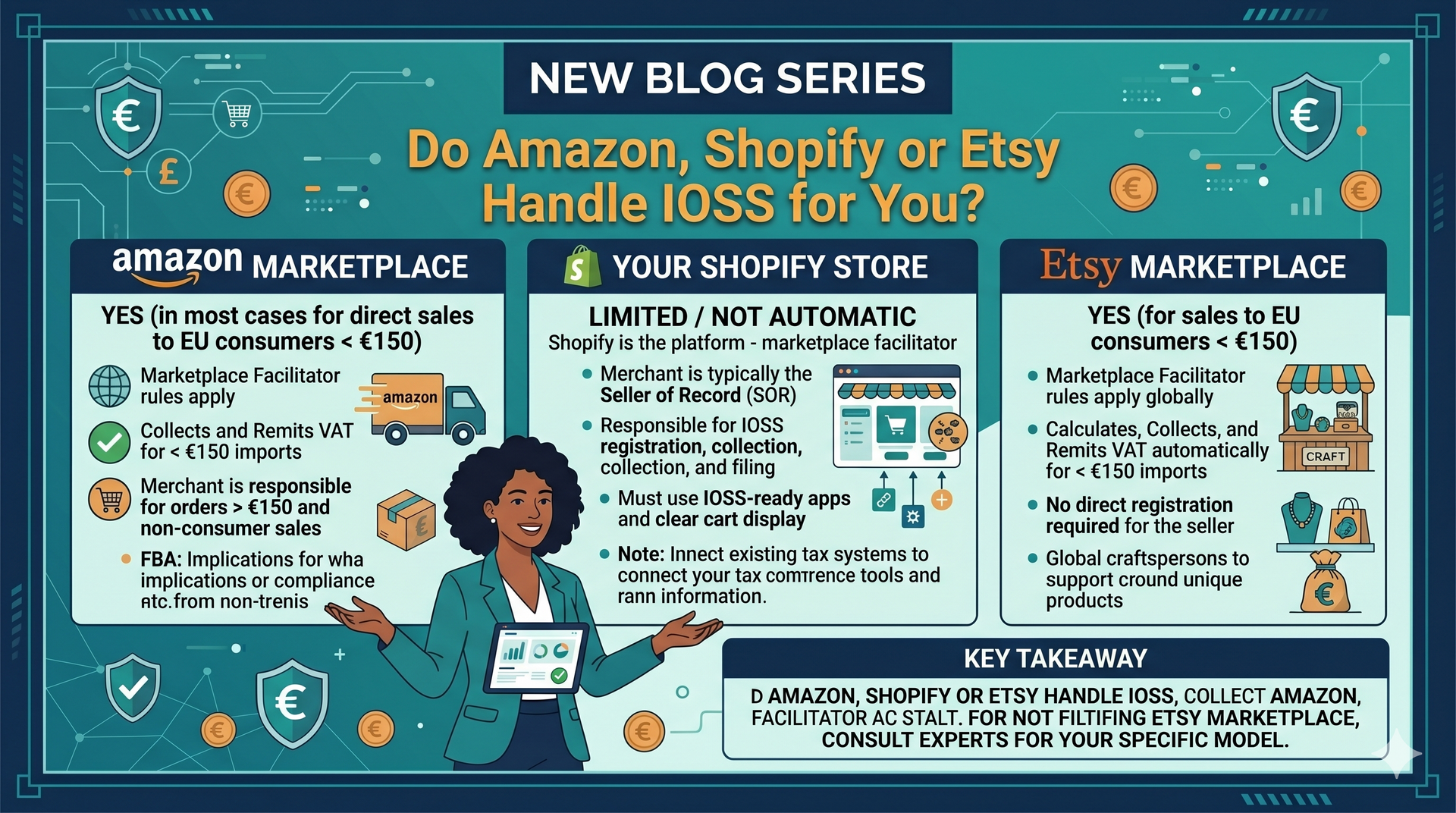
Certain online marketplaces are classed as a “deemed supplier” under EU VAT rules.
This means the platform may collect and pay VAT on specific transactions.
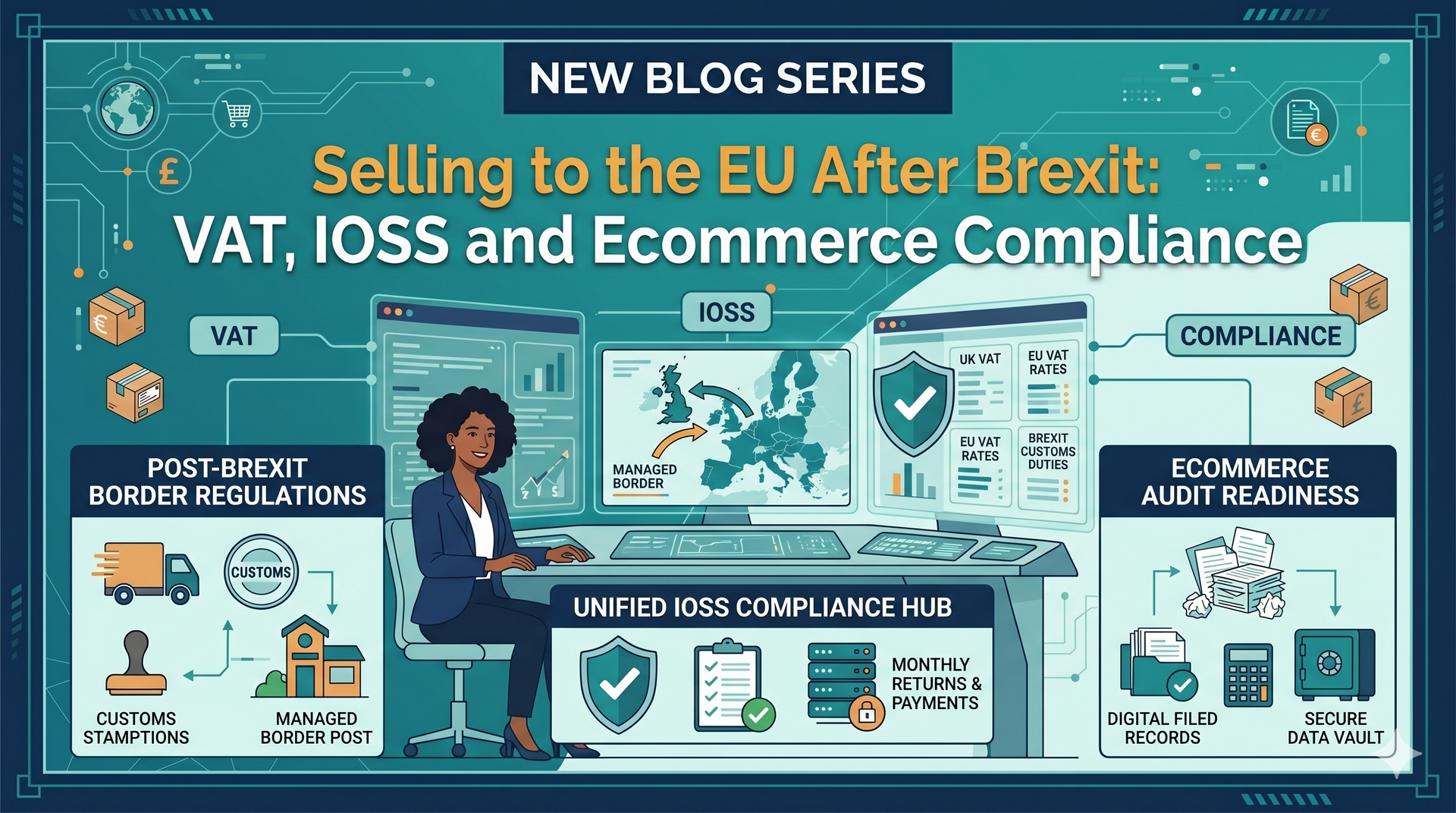
Selling products into the EU used to feel relatively straightforward for UK ecommerce businesses.
Then Brexit arrived… and suddenly words like customs declarations, import VAT and IOSS became part of everyday business life.
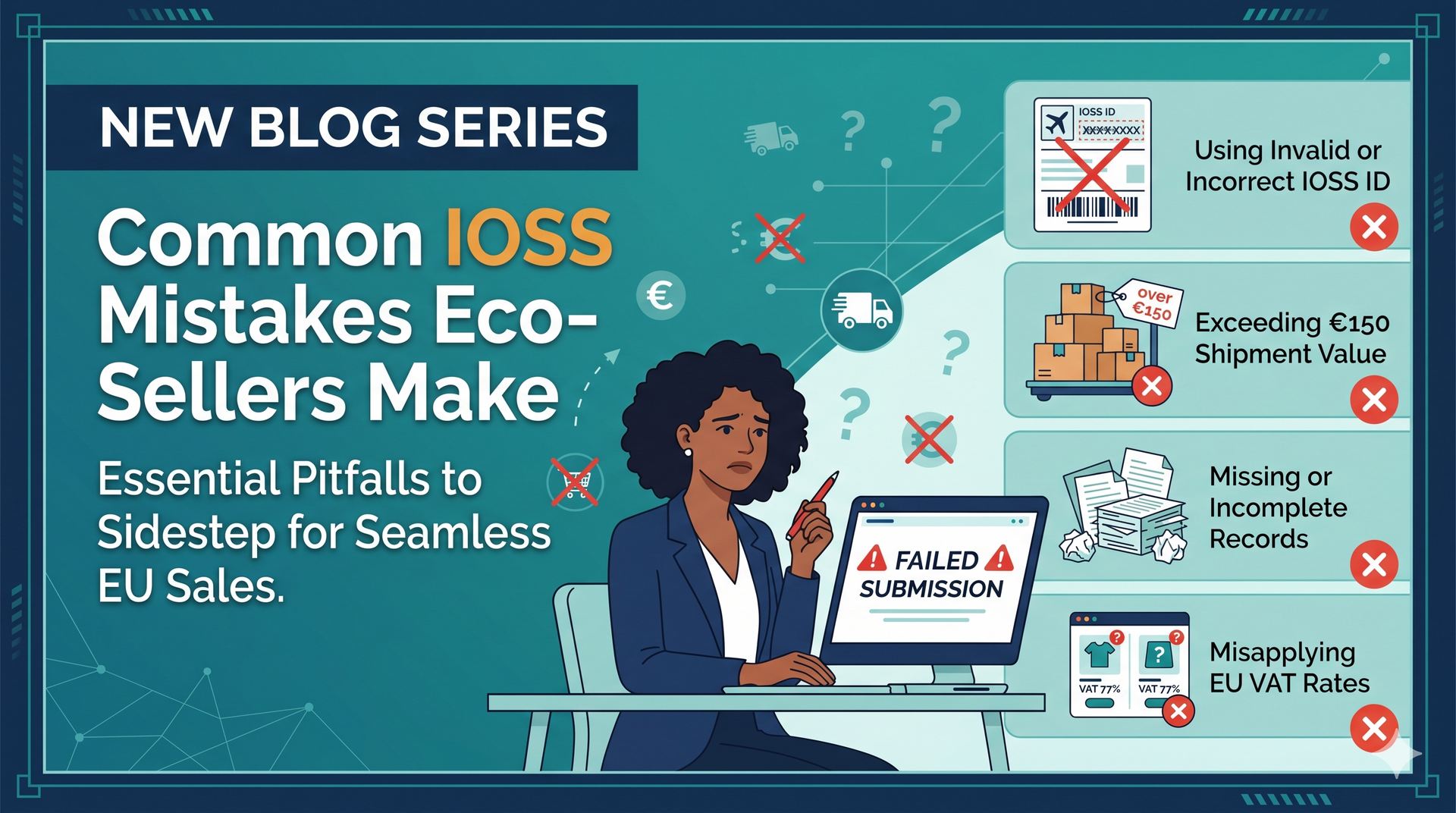
When ecommerce businesses first hear about IOSS, the reaction is usually one of two things:
“Great, this sounds straightforward.”
“Wait… what?”